Centring Communities in Early Warning Systems: A Living Lab Approach
2026-06-21
Dordrecht, Guwahati, and Bengaluru
Stakeholder Dialogue
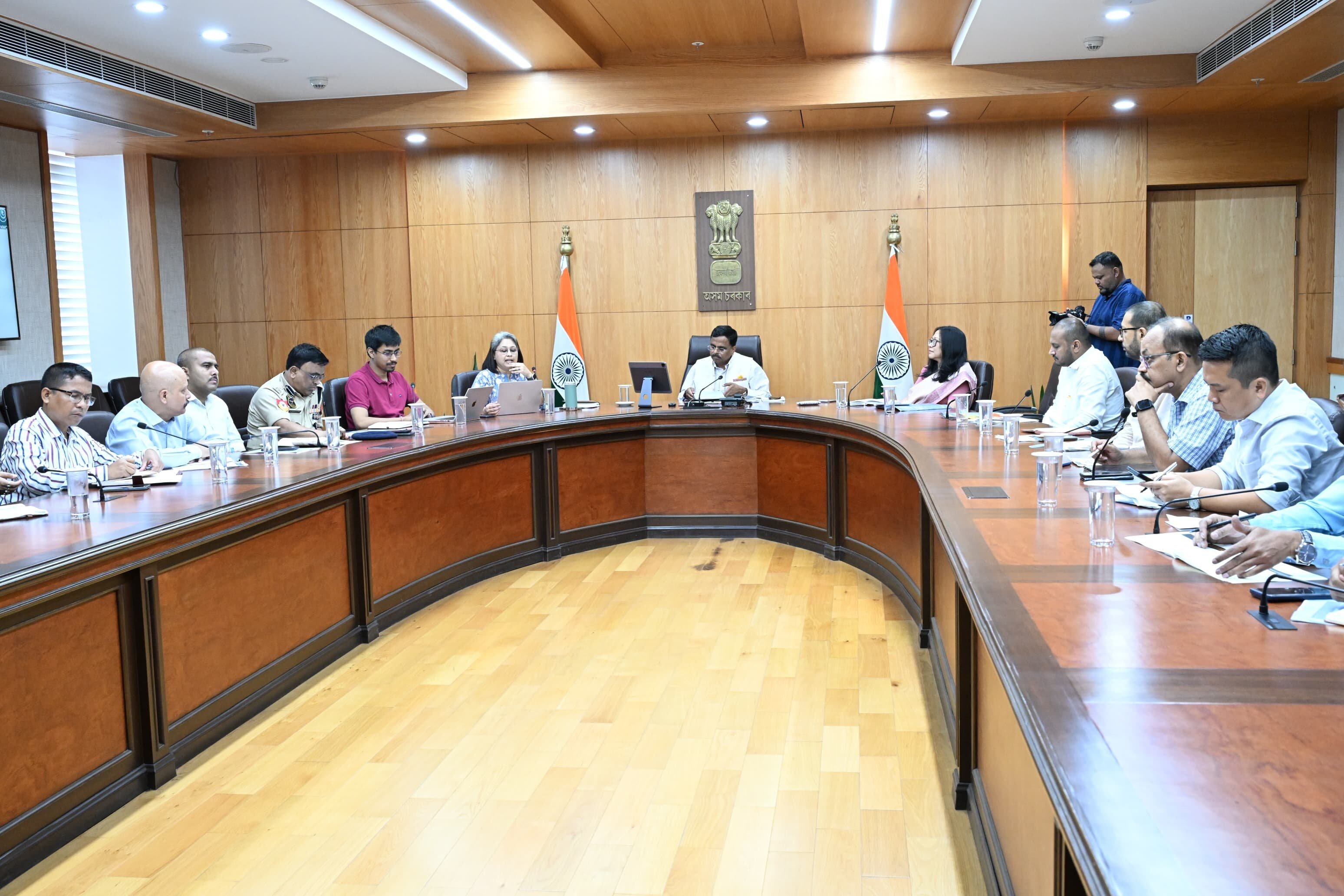
Chief Secretary of Assam, Mr. Ravi Kota today held a meeting with Prof Anamika Barua and Prof Debanga Raj Neog, Principal Investigators, IIT Guwahati, and the Lodestar team, along with senior officials from ASDMA, GMDA, Water Resources Department and other concerned stakeholders, to review the roadmap for operationalising the dashboard for Guwahati over the coming year.
Research Article
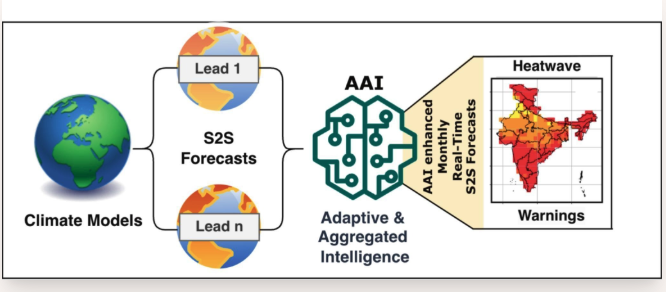
This study introduces an Adaptive & Aggregated Intel-ligence (AAI) framework to enhance the operational S2S-based heatwave prediction across India. The AAI framework post-processes raw S2S (real-time sets) outputs, significantly improving temperature anomaly pre-dictions associated with heatwaves.
Blog Post
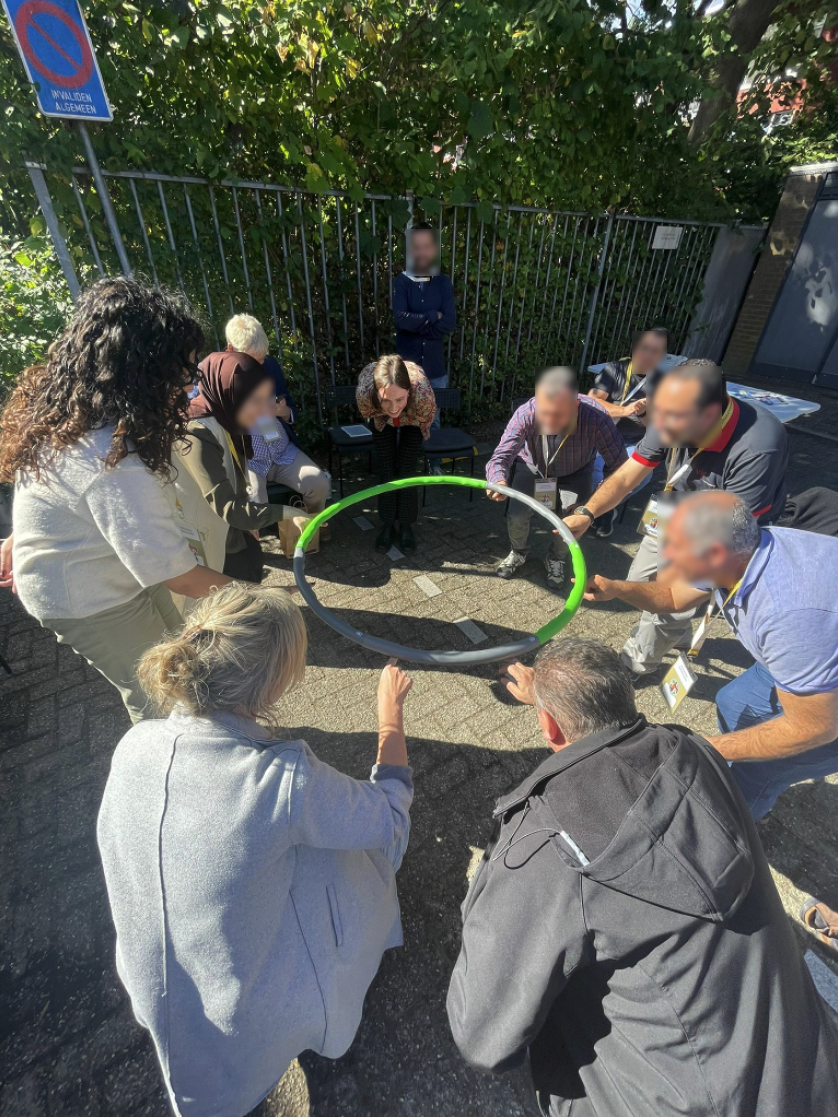
On a sunny afternoon in September 2025, a group of Turkish-Dutch residents and municipal
representatives gathered in a neighbourhood in the city of Dordrecht, the Netherlands, for a
workshop on flood risks and early warning systems. Dordrecht (pop.: 123,000) is regarded as
a frontrunner in flood preparedness and public awareness in the Netherlands. Yet, when
participants were asked whether they had received or even knew about municipal flood-risk
campaigns, most responded ‘no’. This revealed a striking disconnect: even where sophisticated
warning systems and communication mechanisms exist, they do not always reach or resonate
with the communities at risk.
This gap presents a key challenge within the wider domain of early warning systems (EWSs).
As climate-related disasters, including extreme weather events, intensify, EWSs have become
a critical tool for improving disaster preparedness and risk reduction. These systems
increasingly rely on (advanced) monitoring and forecasting technologies to predict hazards and
communicate warnings to at-risk communities. However, EWS development has largely
remained top-down and technocratic, prioritising technological sophistication over everyday
community realities and local knowledge. Communication is largely unidirectional and
inadequately adapted to the linguistic, physical, and cultural diversities of at-risk populations
as well as their varying capacities to receive and respond. As a result, warnings consistently
fail to trigger meaningful (early) action, particularly among vulnerable or marginalised groups.
Recognising this gap, the Indo-Dutch collaborative project, ‘LODESTAR’, adopted a Living
Lab approach to place communities more centrally in the (re)designing and studying of EWSs.
The LODESTAR Living Labs are an attempt to supplement or challenge the predominant topdown and data-driven approach to creating and improving EWSs, which continue centring
technologies and formal expertise. Rather than treating people as passive recipients of warning
messages, Living Labs create participatory spaces where communities, researchers,
practitioners, and policy-makers interact, exchange experiences, and co-create solutions. In
doing so, LODESTAR seeks to bridge the disconnect between those who produce risk
information and those who ultimately receive, interpret, and act on it.
In 2025 and 2026, LODESTAR organised multiple Living Labs in Dordrecht, the Netherlands,
and in Guwahati and Bengaluru, India. These cities face significant flood risks in their own
ways: where in Guwahati and Bengaluru floods are a recurring reality, in Dordrecht the
occurrence of large-scale floods – whilst currently unlikely – will become increasingly
inevitable as climate change escalates. Across these diverse contexts, existing warning and
response systems leave much to desire and the Living Labs revealed both contrasting realities
and surprisingly similar concerns.
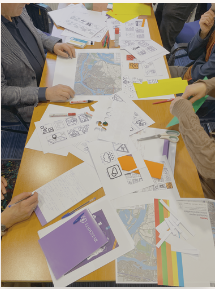
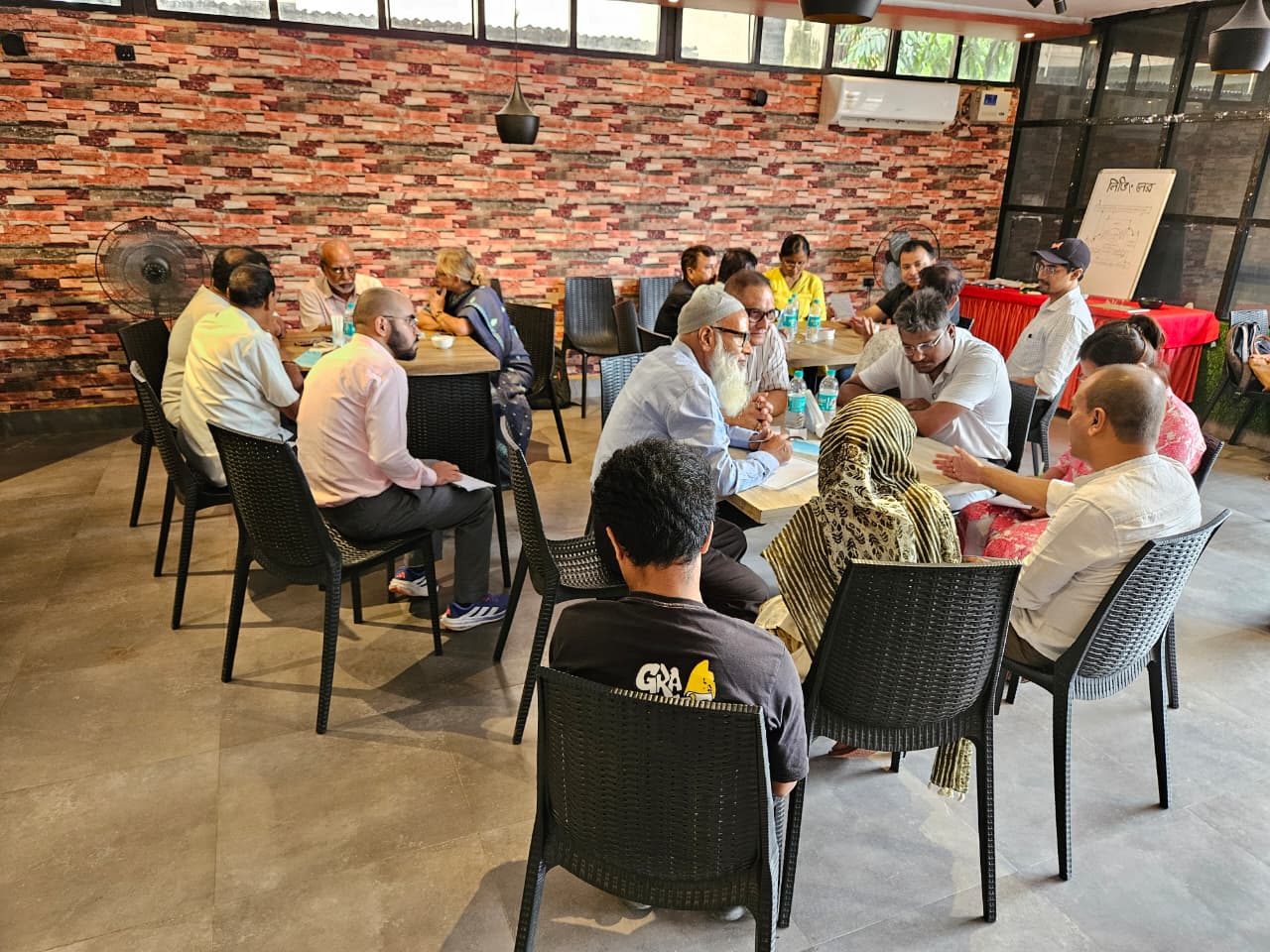
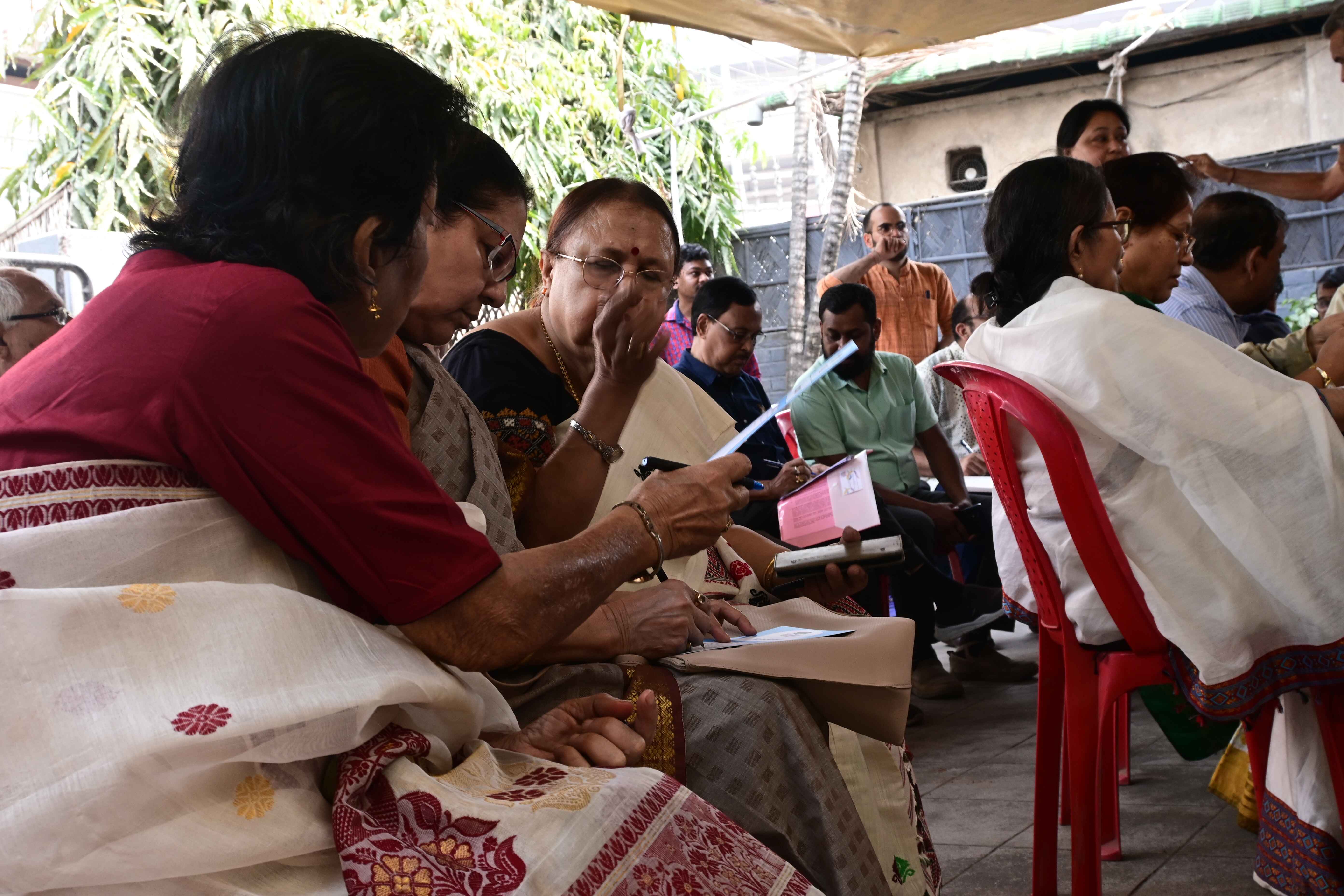
In Guwahati (pop.: ~ 1.44 million), the Living Labs offered a first opportunity for residents,
business owners, civil society actors, and local authorities to discuss flood challenges and
experiences without reservations. Participants
highlighted confusion about who is responsible
for responding during flood events, difficulties
reaching officials, and the absence of clear,
localised warning information. The discussions
also revealed how communities often rely on
informal coping mechanisms amidst declining
trust and ineffective institutional responses. The
Bengaluru (pop.: 14.7 million) Living Labs
revealed an interesting contrast, even within the
same city. In one location, flooding of a railway underpass was largely perceived as an
inconvenience rather than a major risk, particularly among relatively affluent residents with
Mapping of flood-prone locations in Guwahati
Living Lab
adequate response capabilities. In another severely
flood-affected neighbourhood, discussions were
far more intense and grounded in the lived
experiences of repeated flooding. There, residents portrayed themselves as first responders during disasters and raised concerns about “warning fatigue”, where official SMS alerts are frequently
ignored because they are lost beneath a deluge of
other messages. These discussions highlighted how perceptions of risk, vulnerability, and
preparedness can vary significantly depending on social and economic realities.
In the Netherlands, decades of successful flood management have created a perception among
many residents that severe flooding is unlikely. For numerous Living Lab participants in
Dordrecht, flood risk therefore seemed distant or abstract despite living in a flood-prone region.
Yet, even within this context, participants expressed
concerns about how warnings are communicated and
whether official systems communicate with diverse
communities adequately and inclusively. TurkishDutch participants, for instance, often preferred
relying on trusted community networks such as
neighbourhood WhatsApp groups rather than
official websites or dashboards. They also strongly
emphasised collective responsibility and caring for
vulnerable community members during disasters, in contrast to the predominant individualised
culture in the Netherlands.
What makes the LODESTAR approach particularly significant is that it moves beyond viewing
EWSs solely as technological systems. Instead, it demonstrates that effective warnings depend
equally on social relationships, trust, communication, and people’s everyday realities. By
creating spaces for dialogue between communities and institutions, the Living Labs provide an
important framework for designing EWSs that are not only technologically effective, but also
socially inclusive, locally grounded, and capable of supporting meaningful early action. Their
low-cost execution – simply requiring some printed (craft) materials, a modest functional
venue, and a group of keen participants – means Living Labs present a highly accessible and
replicable tool for pursuing early (flood) warnings for all.
Living Lab
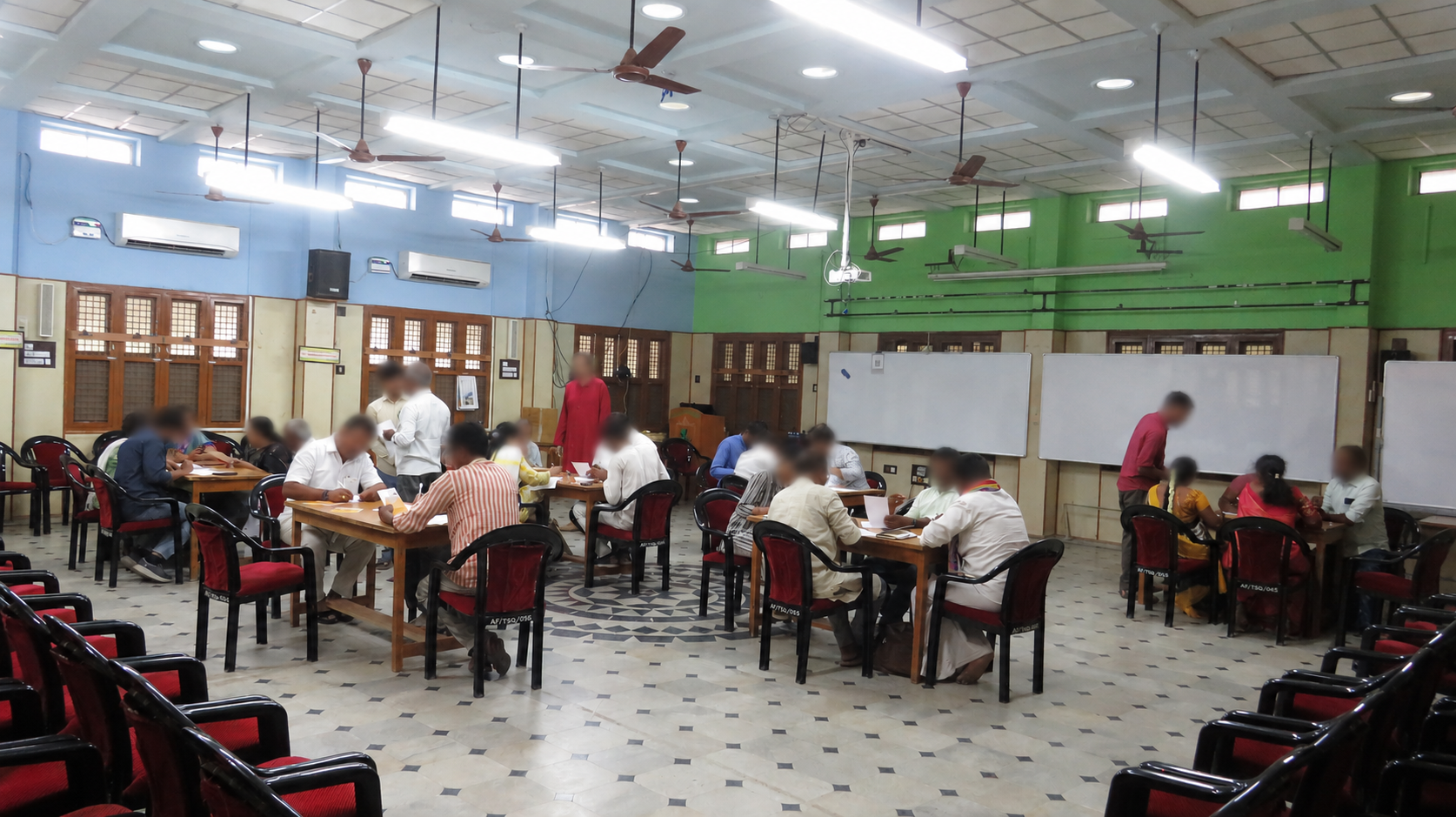
LODESTAR's first Living Lab on drought early warning was conducted in Ananthapuramu at the Accion Fraterna Ecology Center on 9 May 2026. The event brought together 11 farmers, including four women farmers; government officials from the Agriculture Research Centre, Rekalkunta, and Krishi Vigyan Kendra, Reddipalli; and representatives from several non-governmental organisations (NGOs), including AF Ecology Centre, Rural & Environment Development Society (REDS, Kadiri), Human & Natural Resource Development Society (HANDS), and Watershed Support Services & Activities Network (WASSAN).
To facilitate the engagement of all stakeholders, a serious game on drought events was introduced, featuring four drought events each for farmers, NGOs, and government stakeholders. The event cards were designed to reflect real-world drought scenarios, capturing not only the functioning of the district’s drought early warning mechanism but also how farmers respond to such warnings. This interactive approach enabled participants to explore the drought early warning process and the responses of different stakeholders in a participatory setting.
Living Lab
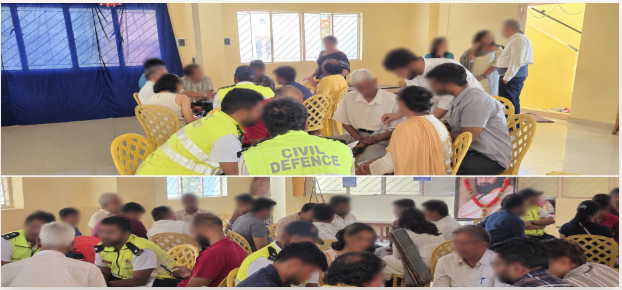
On 21 February 2026, CSTEP held a Living Lab on urban flooding in GD Layout, Vidyaranyapura, Bengaluru. The objective was to bring together multiple stakeholders (residents, government agencies, and researchers) in a shared space to discuss their experiences with urban flooding, understand challenges on the ground, and jointly explore practical solutions, with a focus on building a simple, low-cost early warning system that everyone can access and use. Accordingly, using a serious game-based activity, 25 participants—including residents, civil defence members, water experts, and researchers—engaged in structured discussions on flood risks and response. Insights highlighted residents as first responders, fatigue from SMS warnings, the need to safeguard electricity systems, and the mental strain of recurring floods, underscoring the importance of grounded, community-informed disaster planning.
Living Lab
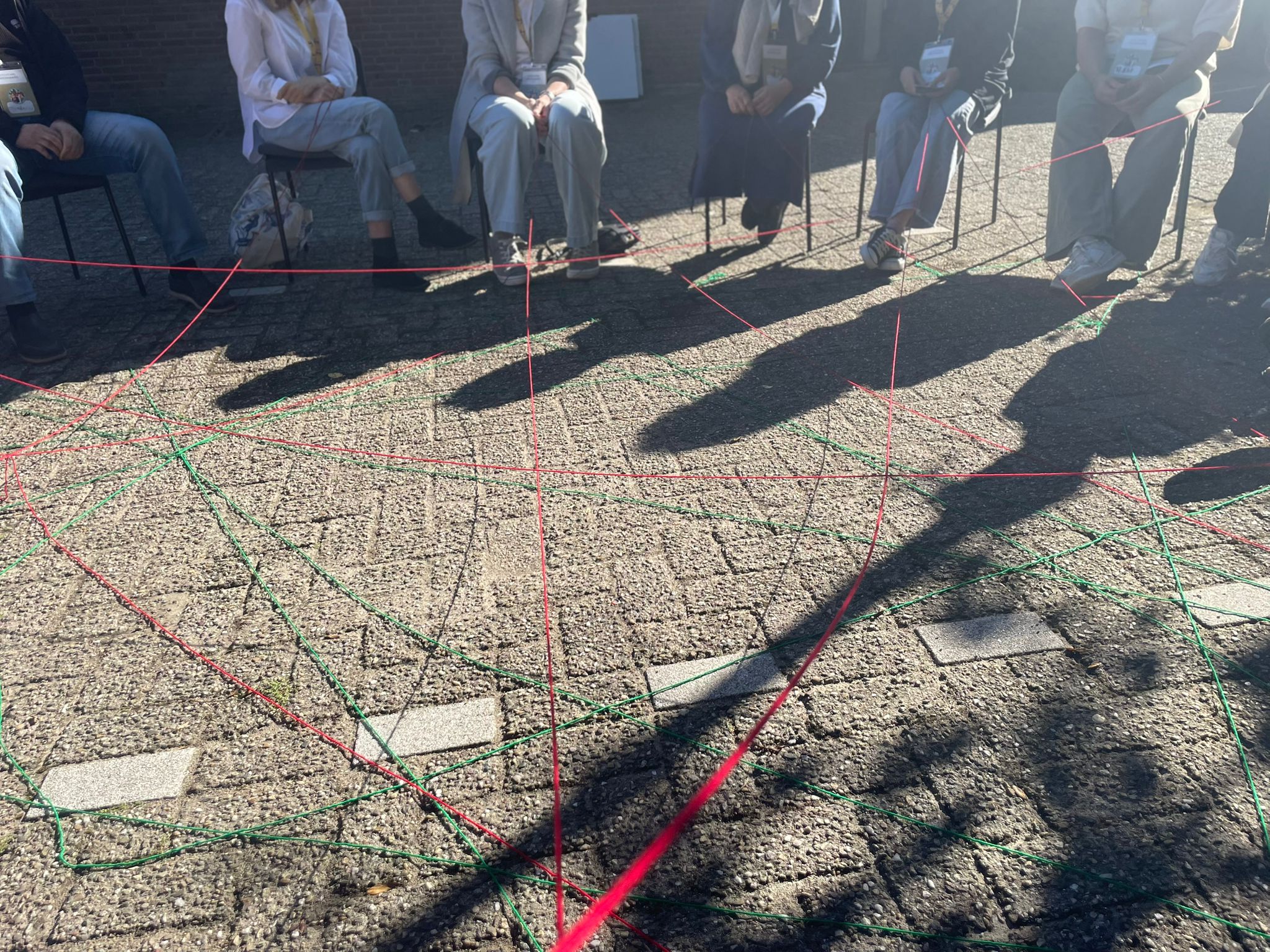
This living lab, titled “Warned together” (“Gezamenlijk gewaarschuwd”), built on the previous
one, conducted in September 2025, bringing together the same group of Turkish-Dutch residents
with Dutch water and disaster experts as well as municipal representatives, this time hosted at
Dordrecht city hall.
Living Lab
In this living lab, titled “From Dialogue to Preparedness”, members from a Turkish-Dutch
immigrant community met with municipality representatives to establish a first collective
dialogue around the themes of flood risk, warning communication and preparedness for the city
of Dordrecht.
Living Lab
Early warning can truly reach everyone at the right time and impact through citizen-centric discussions and collective effort.
Living Lab
Early warnings are only effective when it reaches everyone. Women's inclusion and representation is a necessity; not an option.
Webinar
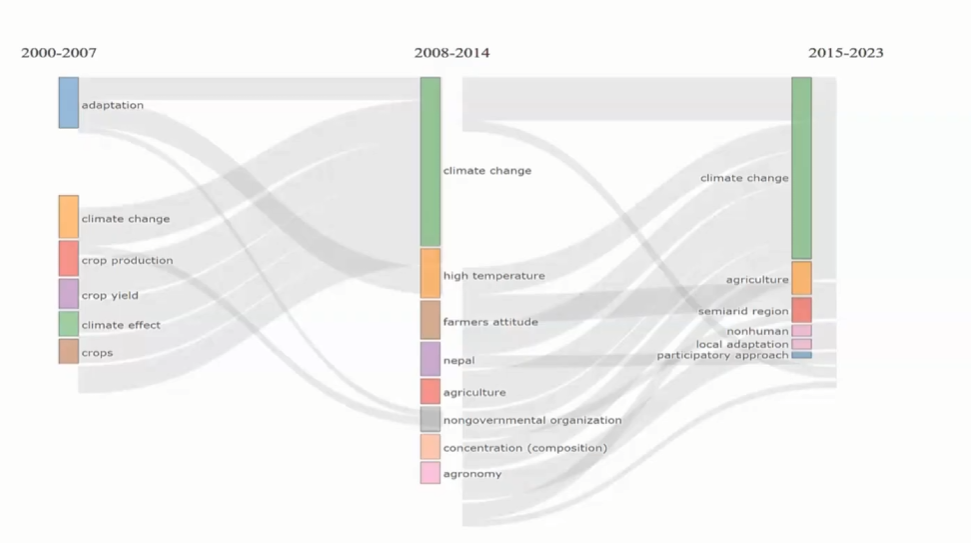
This presentation by Yashpal (IIT Tirupati) was delivered during the LODESTAR Project’s monthly meeting. The session focused on a bibliometric and systematic literature review titled “Expansion of Agriculture Adaptation to Climate Change Research in South Asia (2001–2023)”. The study examined how research trends evolved across IPCC Assessment Reports, highlighting major themes such as impact-driven adaptation, vulnerability analysis, risk perception, local institutional roles, and climate-smart agriculture. It emphasized the growing evidence of climate change impacts on crop yields and the importance of community engagement, indigenous knowledge, and technological innovations for building agricultural resilience in South Asia.
Webinar
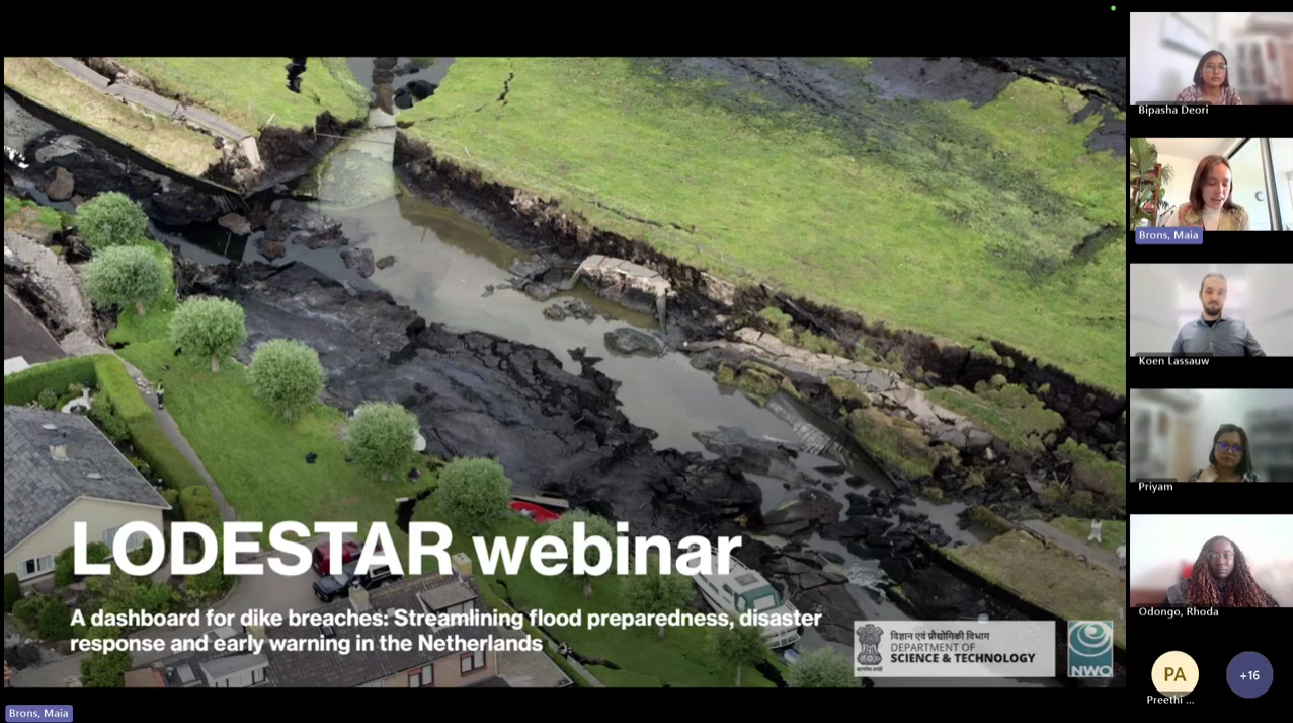
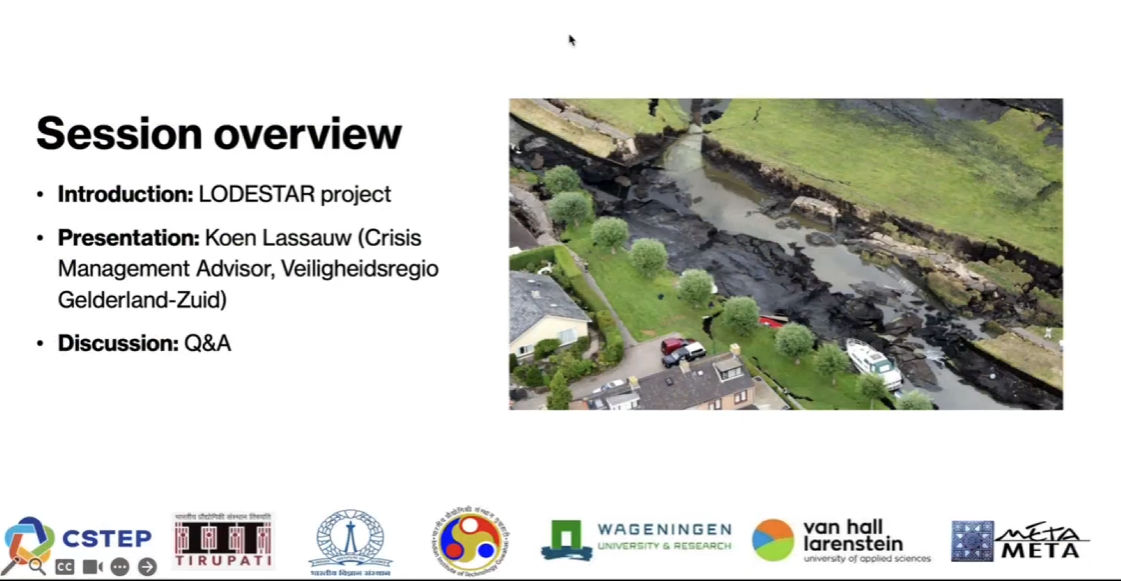
Koen Lassauw, an external speaker from the Netherlands’ Safety Region administration, shared insights on the technological and governance dimensions of developing an early warning dashboard for dike breaches. He highlighted data integration, real-time monitoring, inter-agency coordination, and policy frameworks essential for enhancing flood preparedness and emergency response across regions.
Webinar
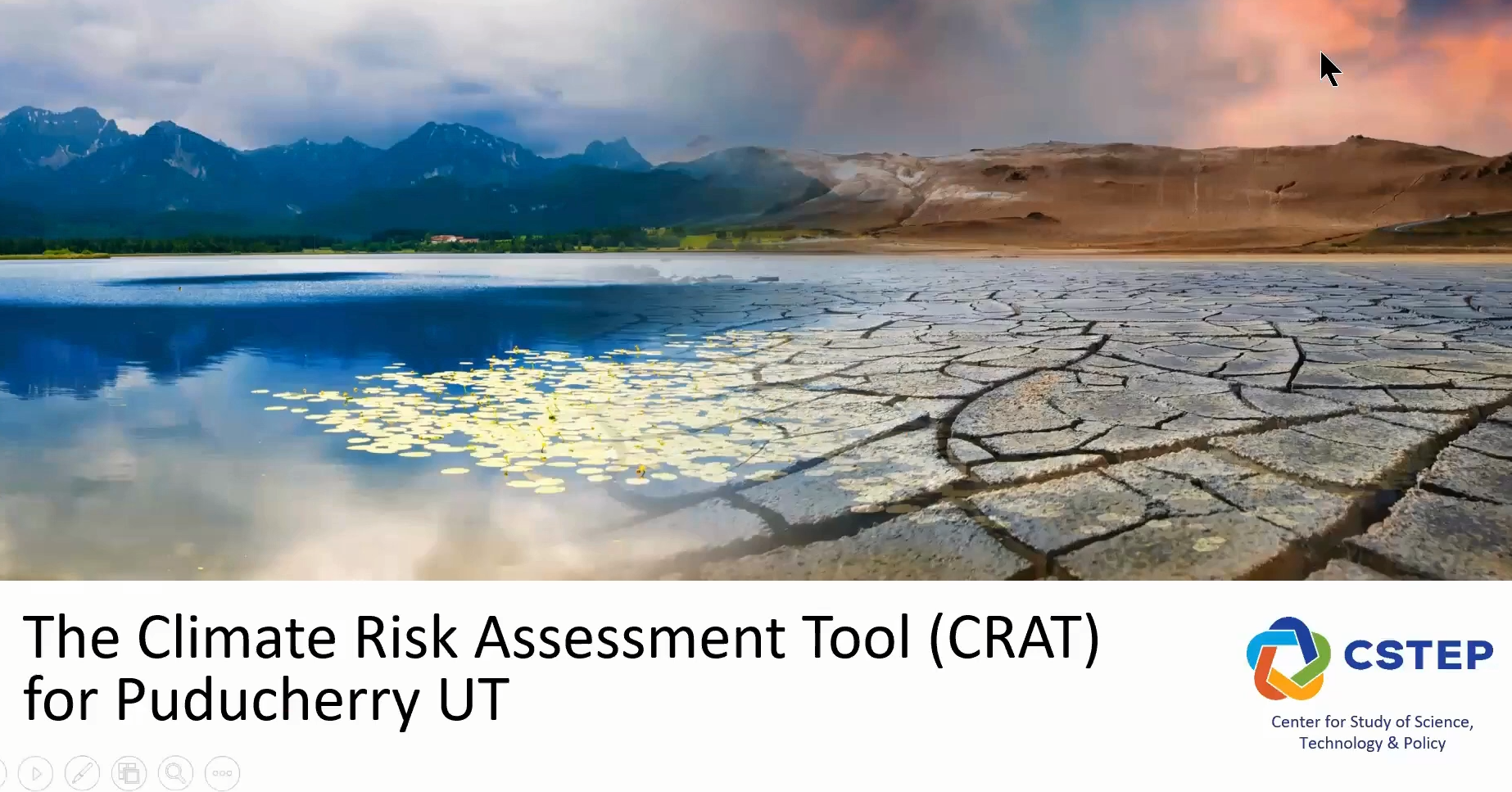
This presentation by Sahil Mathew from CSTEP was delivered during the LODESTAR Project’s monthly meeting. The session introduced the Climate Risk Assessment Tool (CRAT), developed in collaboration with the Puducherry Climate Change Cell, to evaluate hazards such as floods, droughts, heatwaves, and sea level rise. The tool integrates exposure and vulnerability indicators across multiple sectors, providing policymakers and local departments with a decision-support platform for climate resilience and disaster preparedness.
Webinar
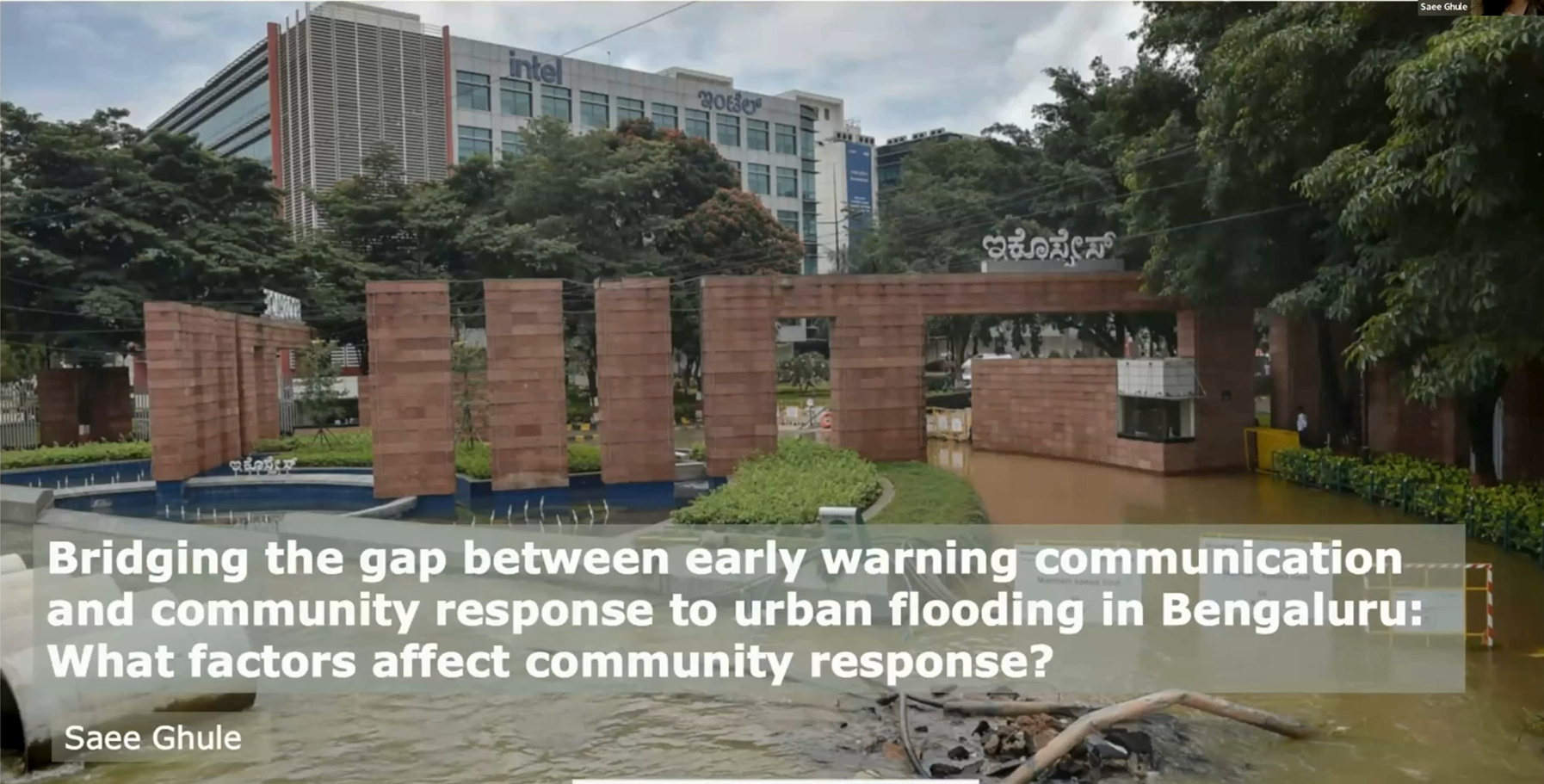
This presentation by Saee Ghule, a Master’s student at Wageningen University, was delivered as part of the second monthly meeting of the LODESTAR Project (Low-cost Disaster Services for Communities at Risk). Her thesis examines the critical factors that influence how communities in urban Bengaluru respond to early flood warnings, highlighting communication gaps and opportunities for building resilience.
Webinar
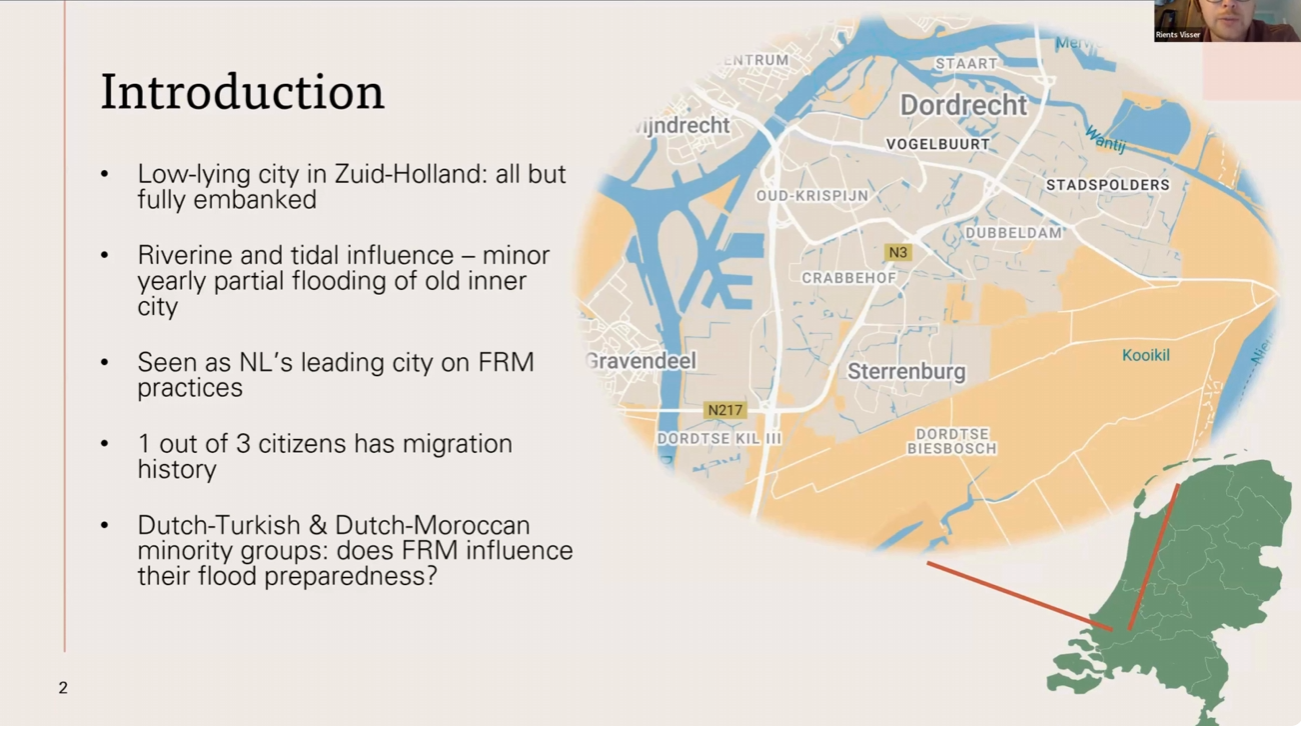
This presentation by Rients Visser, a Master’s student at Wageningen University, was delivered during the second monthly meeting of the LODESTAR Project. The title of the thesis is "Improving Disability-Inclusive Disaster Risk Reduction in Flood Early Warning Systems in Dordrecht, the Netherlands."
Webinar
This video features the first external webinar of the LODESTAR Project Webinar Series, presented by Mr. Koen Lassauw from the Netherlands’ Safety Region Administration. In this insightful session, Mr. Lassauw shares practical experiences and best practices from the Netherlands’ Safety Region framework, illustrating how regional administrations collaborate to enhance safety, crisis preparedness, and inter-agency coordination. The presentation highlights the role of data-driven decision-making, strategic planning, and cross-sector cooperation in strengthening regional crisis response and resilience. It also reflects on how the Netherlands’ integrated safety approach can inform wider risk governance and resilience-building initiatives across Europe and beyond.
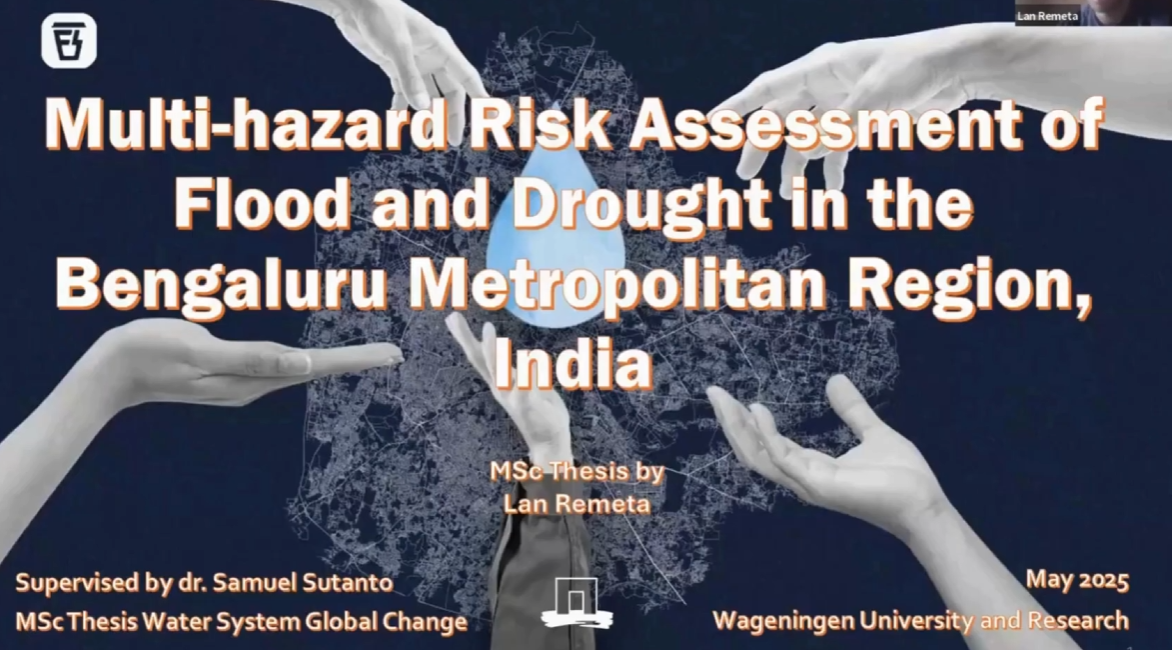
Webinar
This presentation by Lan Remeta, a Master’s student from Wageningen University, was delivered during the third monthly meeting of the LODESTAR Project (Low-cost Disaster Services for Communities at Risk). The thesis examines multi-hazard risk assessment in Bengaluru, with a focus on the intersection of flood and drought risks in a rapidly urbanizing environment.